Adult Jiu-Jitsu (Gi)

Adult Jiu-Jitsu (Gi) at Boran Brazilian Jiu-Jitsu

The Program

The core class of the academy: traditional gi training for adults of every level.

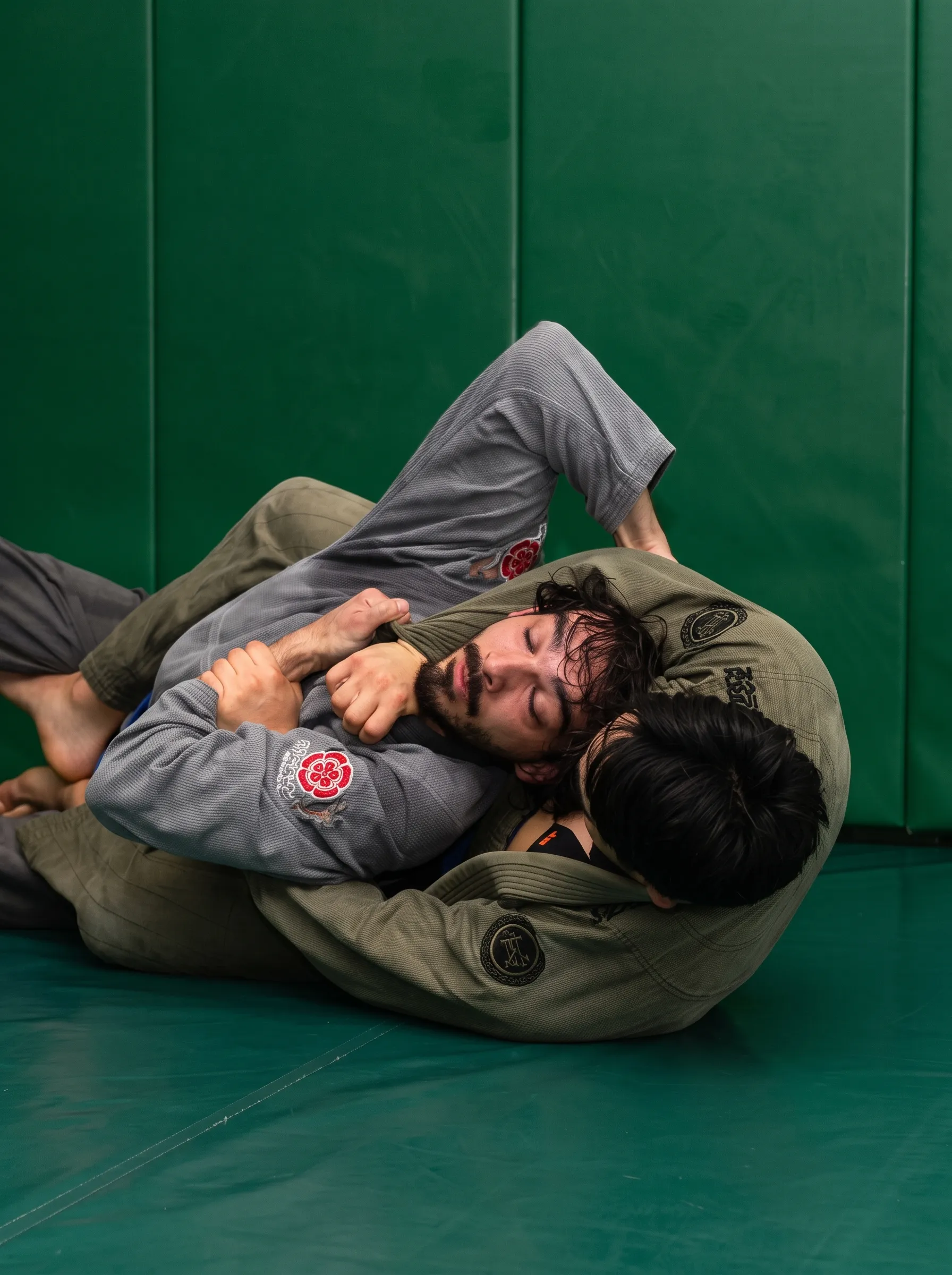
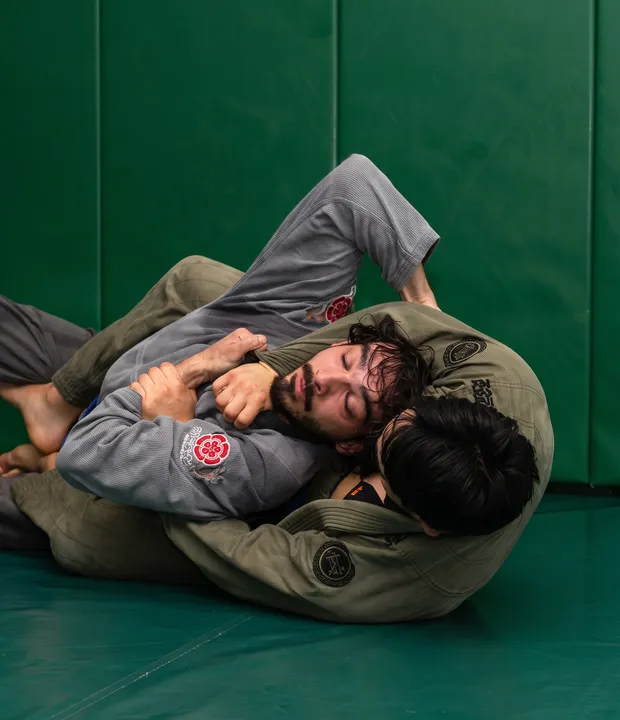
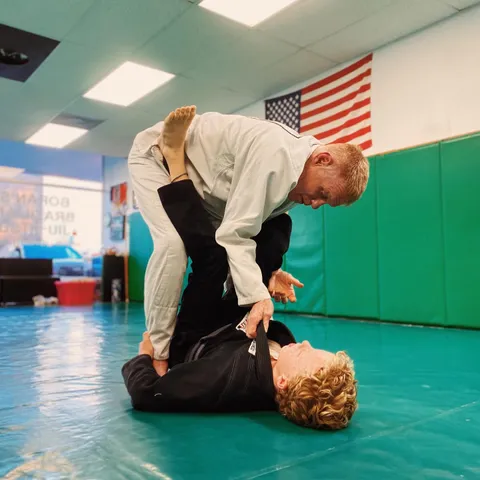
The gi class is the backbone of training at Boran Brazilian Jiu-Jitsu. Wearing the traditional uniform changes the game entirely: collars, sleeves and lapels all become grips, which rewards patience, precision and a real understanding of leverage over speed or raw strength.

That is exactly why the gi is where most people should start. It slows the game down. You get time to think, time to recognise what is happening, and time to apply the right technique instead of scrambling. Students who learn in the gi tend to build cleaner, more deliberate jiu-jitsu.

Every class is taught by Professor James Boran, a 6th-degree black belt and one of the Dirty Dozen, the first twelve Americans ever promoted to black belt in Brazilian Jiu-Jitsu. He teaches the classes himself; you are not handed off to a rotating cast of assistants.

This class is built for

  • Complete beginners with no martial arts background at all
  • Anyone returning to training after years away
  • Experienced grapplers who want detail-first instruction
  • People who want a workout that never gets boring
  • Anyone learning genuine self-defense, not just fitness

Not sure it's you? Come and train a week for free and find out.

Your First Visit

What a Class Actually Looks Like

Nobody likes walking into a room without knowing what happens. Here is the whole session, start to finish.

  1. 01
    First 10 min

    Warm-up and movement

    Joint mobility and the basic jiu-jitsu movements: shrimping, bridging, technical stand-ups. They look simple and they are the foundation of everything else. Nobody is judging how you move on day one.

  2. 02
    Next 25 min

    Technique of the day

    Professor Boran demonstrates the position, breaks it into steps, and explains why each detail matters. You then drill it with a partner at low intensity while he moves around the room correcting individually.

  3. 03
    Next 20 min

    Positional training

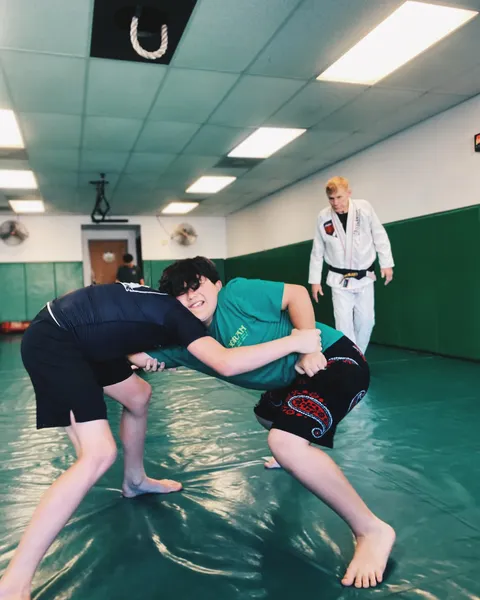
    You start from a set position and play it out with a defined goal: escape, sweep, pass. This is where the technique starts becoming yours, and the intensity stays controlled.

  4. 04
    Final rounds

    Live rolling (optional)

    Full rounds against a resisting partner. You decide whether to take part and at what pace. Plenty of students sit out rolling for their first few weeks, and that is completely normal.

The Curriculum

What You'll Learn, and in What Order

Months 1–3

Survival and the basics

  • The core positions: guard, side control, mount, back control
  • How to breathe, frame and stay calm under pressure
  • Escapes from mount and side control
  • Basic guard retention and the fundamental sweeps
  • Mat etiquette, safety, and tapping early and often
Months 3–12

Building a game

  • Collar, sleeve and lapel grips unique to gi jiu-jitsu
  • The closed guard: attacks, sweeps and breaking posture
  • Passing the guard and consolidating the position
  • Your first submissions: armbars, chokes, triangles
  • Linking positions together instead of isolated moves
Beyond year one

Depth and personal style

  • Open guard systems: spider, de la Riva, lasso
  • Pressure passing and heavy top control
  • Submission chains and reading your opponent's reactions
  • Building a game that suits your body and temperament
  • Optional competition preparation

Progression

How you progress

Boran Brazilian Jiu-Jitsu is certified by the IBJJF and the USBJJF, so ranks awarded here are recognised anywhere in the world. Adults progress through five belts, with stripes awarded along the way to mark progress within each rank.

Promotion is based on what you can actually do on the mat: technical understanding, consistency of attendance, and how you carry yourself as a training partner. There is no fixed timetable and no testing fee. Jiu-jitsu is famously slow to rank, and that is rather the point: a blue belt from here means something.

  1. White
  2. Blue
  3. Purple
  4. Brown
  5. Black

Questions

Questions People Ask Before They Start

I am completely out of shape. Can I still start?

Yes, and it is the most common worry we hear. You get in shape by training jiu-jitsu, not before it. You set your own pace, you can sit out any round, and nobody in the room is watching you; they are all busy with their own training.

Am I too old to start Brazilian Jiu-Jitsu?

No. Professor Boran has competed and won world titles in the masters and senior divisions well into his fifties and sixties, and adults start here in their thirties, forties and fifties every year. Jiu-jitsu runs on leverage rather than athleticism, which is exactly why it suits older beginners.

Will I get injured?

Jiu-jitsu is a contact sport, so bumps and soreness come with it. Serious injury is uncommon in a well-run room: technique is drilled cooperatively first, live rounds are optional, and tapping early is taught from day one as a normal part of training rather than a failure.

Do I need to buy a gi before my first class?

No. Come in a t-shirt and shorts for your first classes. Once you decide to continue, Professor Boran will point you toward a gi that fits and lasts, so you do not waste money on the wrong one.

How often should I train?

Two to three times a week is the sweet spot for steady progress without burning out. Your membership is unlimited, so you can come as often as your schedule allows.

Your first week is free

No contract and no sign-up fee. Come and try a class.

Book Your Free Trial