Positions and escapes
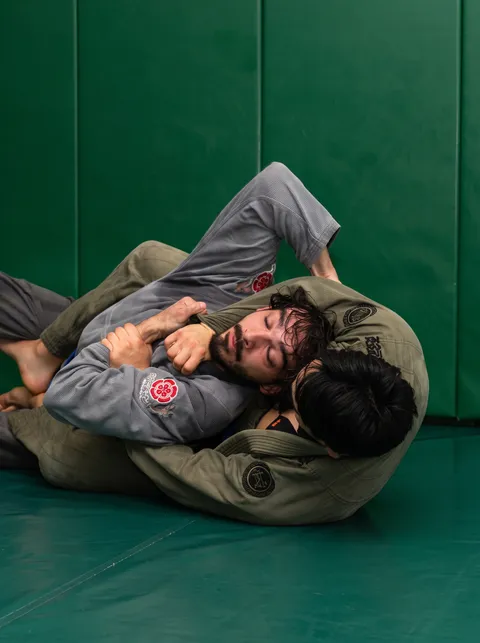
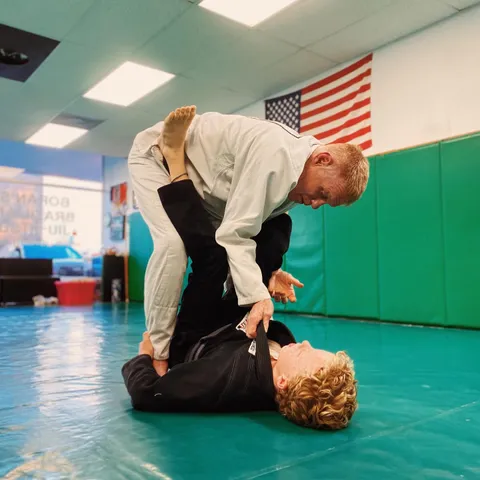
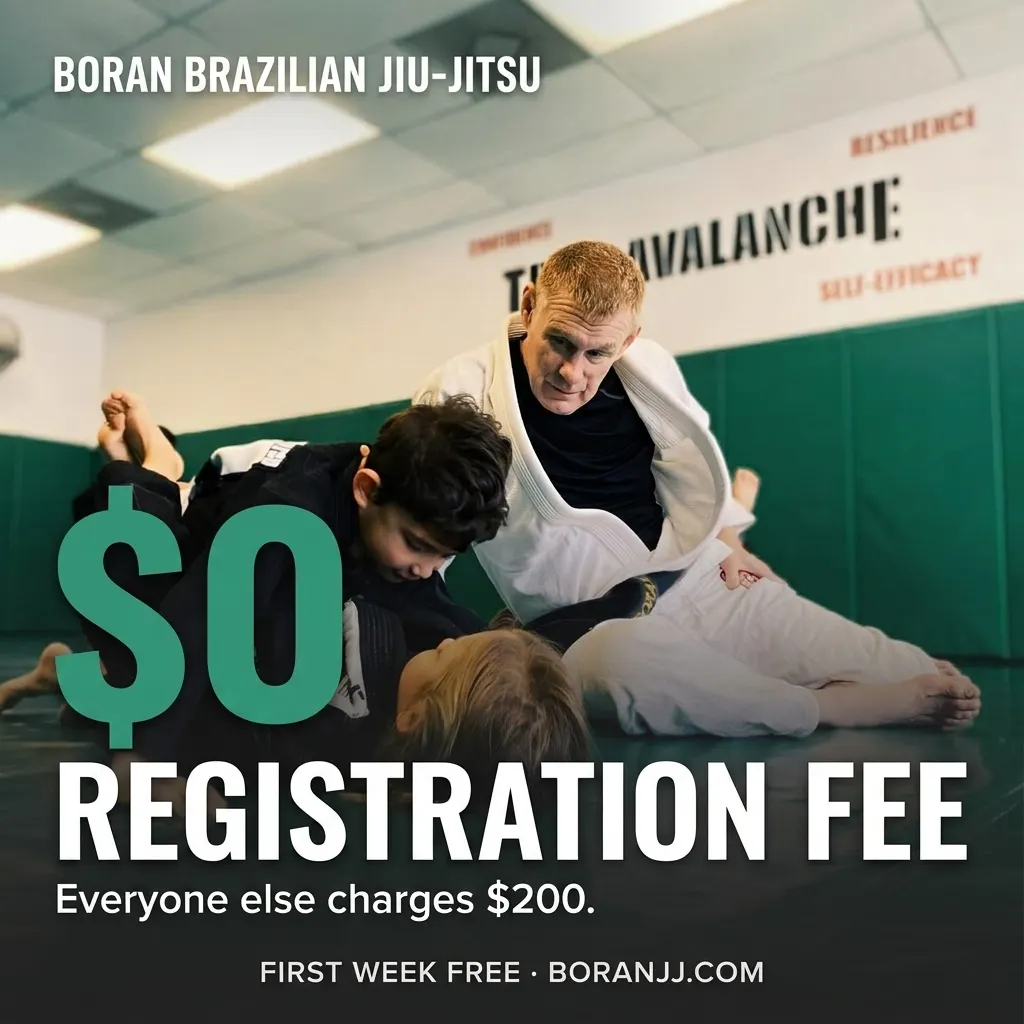
- The full positional hierarchy: guard, side control, mount, back
- Escaping from underneath a bigger, stronger partner
- Frames, hip movement and creating space
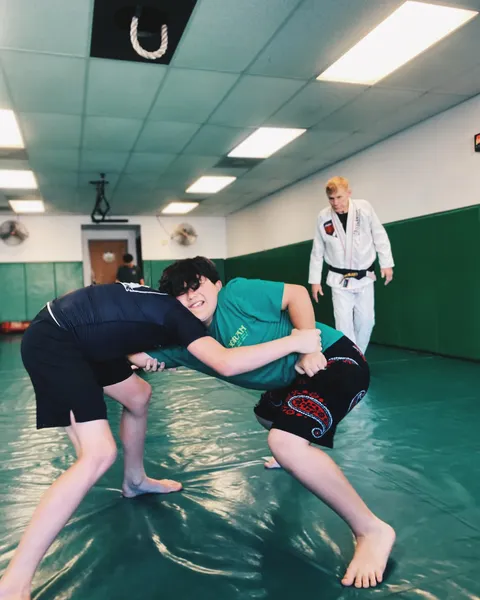
- Breakfalls and takedown safety
- Working live at a controlled intensity
The Program
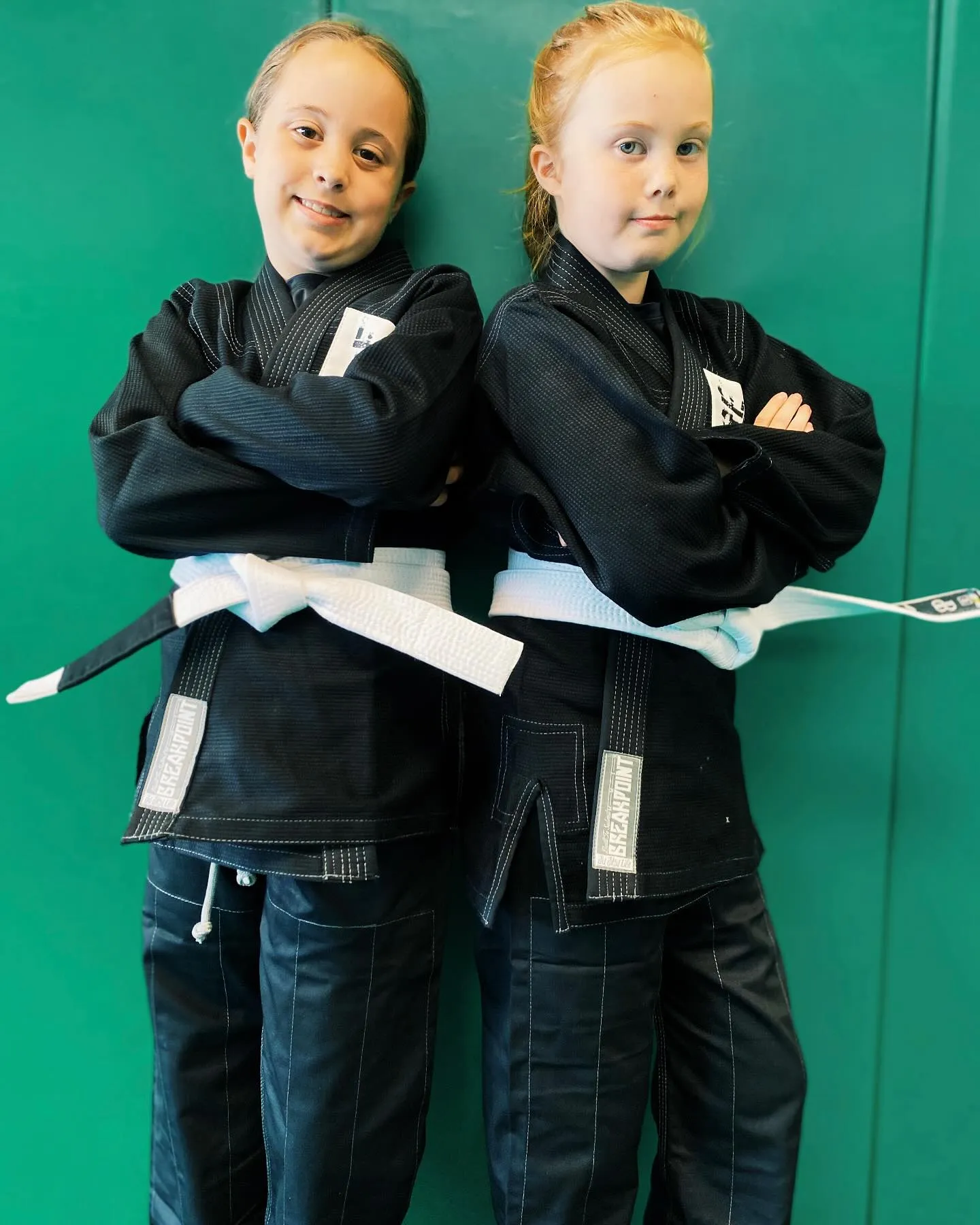
The older group trains a full hour every weekday afternoon. By this age students are learning proper jiu-jitsu: positions, escapes, sweeps and submissions. They progress through the IBJJF youth belt ranks, with real technical standards behind every promotion.
As children grow in their knowledge of jiu-jitsu, they learn to apply the core values to the rest of their lives with the help of their coaches and mentors. Parents consistently report that the focus and self-control carry over into behaviour at home and at school.
Students also enjoy the competition side of the sport by taking part in local tournaments alongside their peers and mentors. Boran students have been awarded gold, silver and bronze medals at various local competitions. Competing is entirely optional, and plenty of students never do.
Not sure it's you? Come and train a week for free and find out.
Your First Visit
Nobody likes walking into a room without knowing what happens. Here is the whole session, start to finish.
Line up, bow in, then mobility and jiu-jitsu movement drills. At this age the warm-up is real conditioning rather than play.
A full position taught in detail: the entry, the control, the finish, and the common mistakes. Students drill it with a partner while Professor Boran corrects individually.
Starting from a set position with a clear goal, working against a partner of similar size who is genuinely resisting. Supervised closely and kept controlled.
Live rounds for those who want them, then line up and finish. Students who would rather not roll on a given day are never pushed into it.
The Curriculum
Progression
Students in this group progress through the full IBJJF youth belt system: grey, yellow, orange and green, each with white and black variations, with stripes awarded between ranks. Because Boran is IBJJF and USBJJF certified, those ranks are recognised at any affiliated academy or tournament in the world.
Promotions are earned on technical understanding and consistency, not on time served or a paid test. Students reaching sixteen move into the adult classes and begin the adult belt system in line with IBJJF guidelines.
Questions
It is one of the most common reasons families come to us. Jiu-jitsu is built on control rather than striking, so a child learns to manage a physical situation without hurting anyone, and the confidence that comes with that competence tends to defuse problems long before anything physical happens.
No. Competition is entirely optional and many students never enter a tournament. For those who want it, local competitions are a great experience, and our students have taken gold, silver and bronze at various local events.
Youth belts take time, often a year or more per rank, with stripes awarded along the way so progress stays visible. That pace is deliberate: it means a Boran belt reflects genuine skill rather than attendance.
Jiu-jitsu is the martial art specifically built around a smaller person handling a larger one, so size is not the disadvantage it would be elsewhere. Partners are matched by size and experience for drilling and sparring.
Yes. Classes run Monday to Friday afternoons plus Saturday mornings, and the membership is unlimited, so students train around their other commitments and come when they can.
They move into the adult classes and begin the adult belt system, following IBJJF guidelines. It is a natural step, and by that point they usually already know most of the adult students.
Keep Exploring